

The Future of Hydroponic Greenhouse Farming in Guyana
Where we are as a Country
Why don’t we export more vegetables?
This appears to be a complexed question involving economics, politics, infrastructure and transportational constraints.
The real answer is in fact blatantly obvious to anyone who has ever ventured out of Guyana and into a foreign grocery.
The truth is that on average the appearance of Guyanese fruits and vegetables is sub standard at best.
You may argue the point but simply put, foreigners are not willing to buy blemished or misshapen or discolored fruits and vegetables.
Who is to blame for the poor appearance of Guyanese fruits and Vegetables
If you think carefully about it and I have thought carefully about the problem for twelve years you will realize that it is the Guyanese consumer who is responsible.
Guyanese consumers are willing to accept a significant amount of cosmetic damage to their fruits and vegetables so that no pressure is put on the farmers to produce cleaner products nor the wholesalers to avoid post harvest handling damage.
Where we want to be
Changing the Paradigm
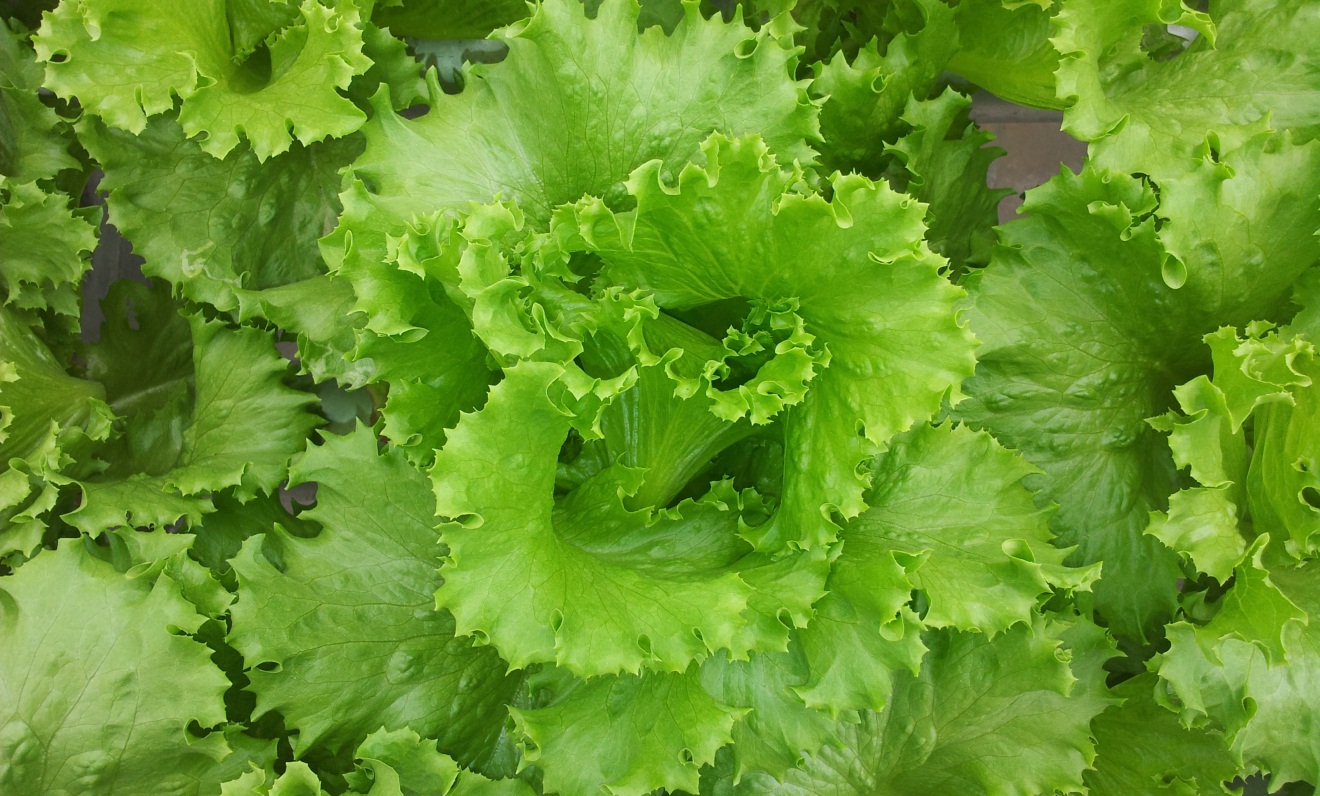
If Guyanese fruits and vegetables had a suitable appearance they would be exported in much larger quantities than are currently being exported.
It is well established principle that if there is a product and a consumer, a merchant will always step in to bring the two together.
If there is money to be made merchants are willing to navigate any political, economical or infrastructural constraints.
How Hydroponic greenhouse farming can get us there.
Why Guyana?
In temperate countries winter destroys the mass populations of summer pest species. The cool spring weather suppresses fungal, bacterial and insect growth allowing cheap clean fruits and vegetables to be grown across a north creeping optimum temperature band.
Greenhouse culture in temperate countries is not popular simply because they don’t need them to produce clean cheap pretty fruits and vegetables.
Why Guyana is different?
In Guyana we have warm humid weather continuously which provides an optimal environment for pests of all species to thrive.
It is only through Greenhouse culture that Guyana will achieve a competitive edge in producing fruits and vegetables unblemished either by insects, fungi or harsh weather.
Why aren’t we there yet?
Currently suppliers and Guyanese greenhouse farmers alike are forced to buy raw materials LCL (less than container load)cargo. The price differences are so vast that they are strangling the growth of the industry.
For example LCL greenhouse mesh out of England sells for G$450,000.00 at caribbean chemicals. Caribbean can get the same mesh for G$85,000 per roll by the container, 185 rolls in a container. In my conversations with the directors, they were not willing to invest 15 million dollars in a product they could not sell quickly. It does not make good financial sense.
More examples
Hydroponic fertilizers
5:11:26 G$310 per pound LCL
Full container G$120 per pound
Calcium nitrate G$170 per pound LCL
Full container G$70 per pound
Magnesium Sulphate G$162 per pound LCL
Full container G$40 per pound
Comparative examples
Real world economy of scale
Open field farmers in Guyana enjoy the low fertilizer prices associated with fertilizer bought in bulk for the rice and sugar industries. They pay on average G$75 per pound for their fertilizer.
Conclusion
In order to jump start the Hydroponic Greenhouse industry, a certain critical volume of greenhouses must be reached

